Friday, April 17, 2015

APOD 4.4

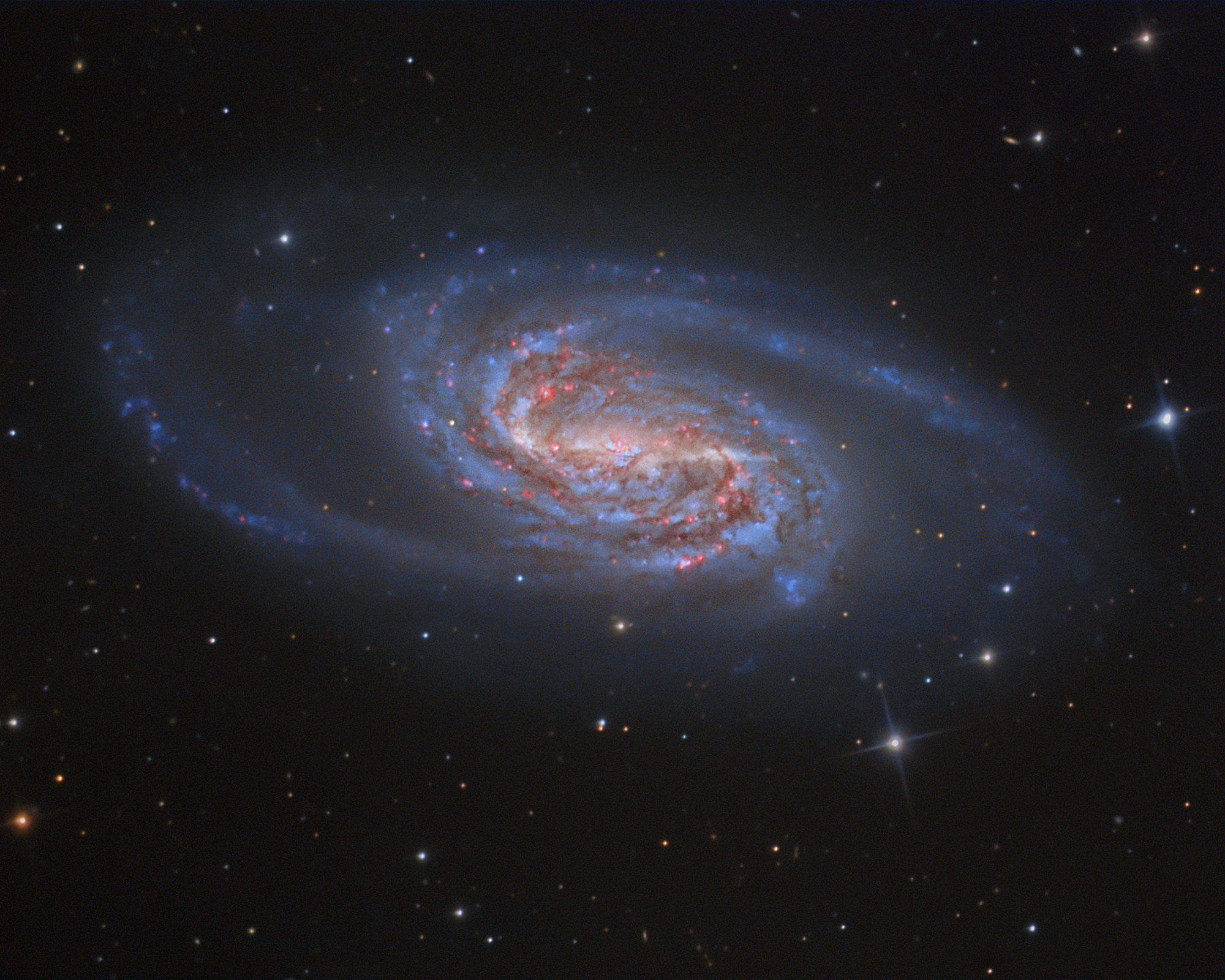
One-Armed Spiral Galaxy NGC 4725: http://apod.nasa.gov/apod/ap150416.html


Most spiral galaxies have two or more arms, but NGC 4725 only has one. The galaxy is composed of bluish, newborn star clusters and red tinted star forming regions with a single spira mirabilis winding out. NGC 4725 is over 100 thousand light-years across and is located 41 million light-years away in Coma Berenices. This photo is cool because you can also see another galaxy in the upper right corner. 

Friday, April 10, 2015

APOD 4.3

NGC 2903: A Missing Jewel in Leo


NGC 2903 is a barred spiral galaxy about 20 million light years away. It is surprisingly missing from the Messier catalog despite being one of the brighter objects in the sky. It can be seen within the constellation of Leo, near the top of the lion's head. Its bright core is an amazing mix of old and young clusters with immense dust and gas clouds. NGC 2903 is abuot 80,000 light years across. 

Thursday, April 2, 2015

APOD 4.2

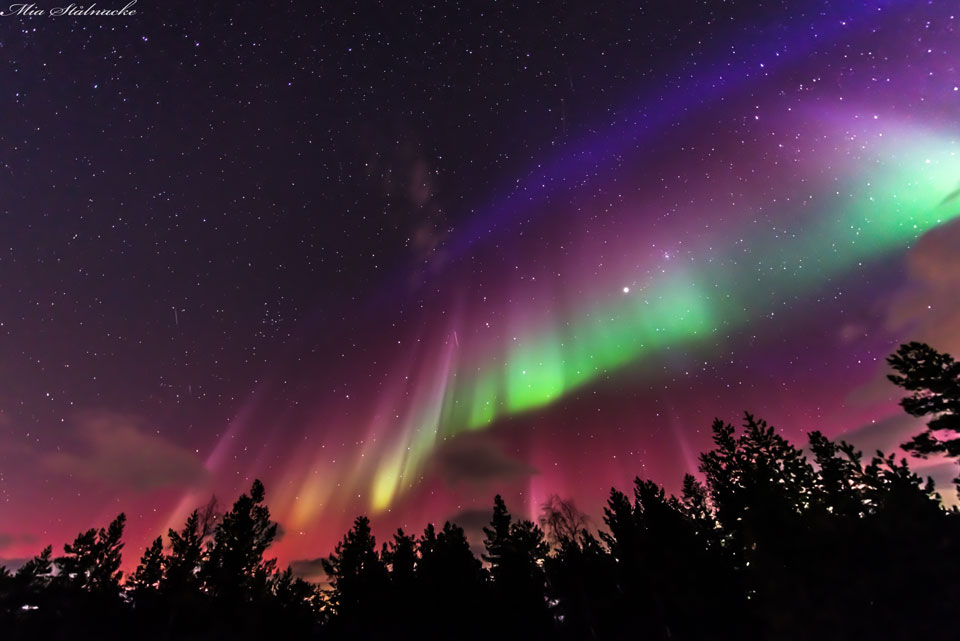
A Flag Shaped Aurora Over Sweden: http://apod.nasa.gov/apod/ap150330.html


In mid-March, a Coronal Mass Ejection led to one of the most intense geomagnetic storms of recent years. The result was many auroras appearing over countries near Earth's poles. This image was taken of a 50 km tall aurora appearing over Sweden. Colorful auroras are likely to continue, but this one is unusual as it is super straight, comparative to a flag. 

Friday, March 27, 2015

APOD 4.1

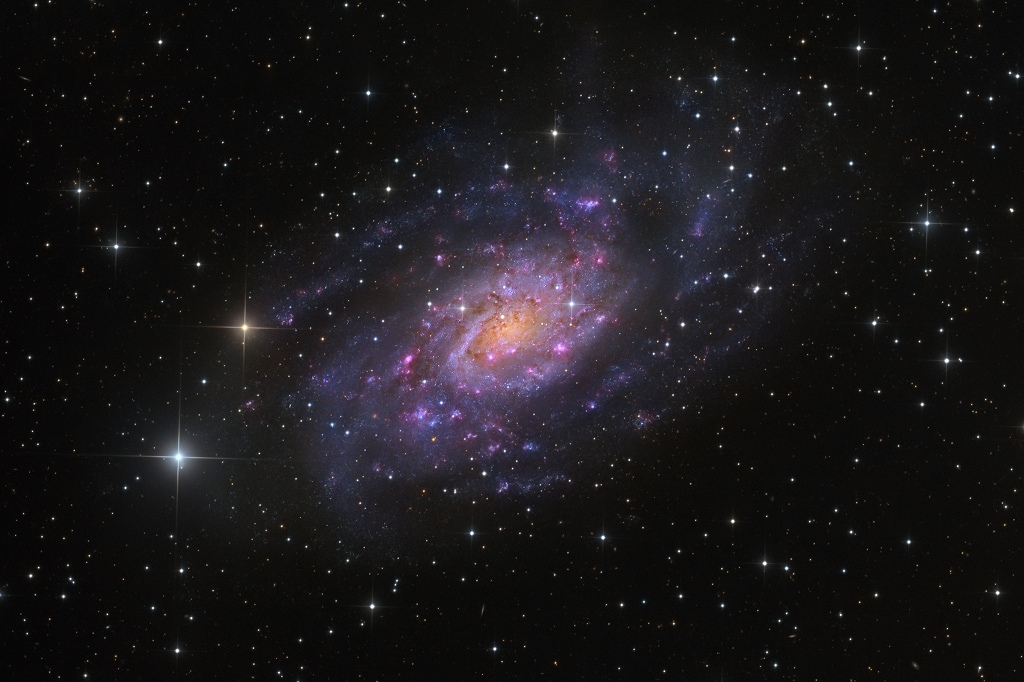
NGC 2403 in Camelopardalis: http://apod.nasa.gov/apod/ap150327.html


NGC 2403 is a spiral galaxy seen in Camelopardalis. It is some ten million light year distant and 50,000 light years across. Marked by the reddish glow of hydrogen gas, NGC 2403 has giant star forming HII regions. The stars explode as bright supernovae at the end of their lives. The bright stars in the foreground are part of our own galaxy, the Milky Way. 

Sunday, March 22, 2015

Observation: February 21st aka Astronomy Night

Time: 6:30-7:30 (2 Hours) 

Place: Pine View School

Sky Conditions: Cloudy

Instruments Used: Night Sky App, Binoculars, variety of telescopes

Bright Stars noted: Gamma Andromeda, Aldebaren, Betelgeuse, Rigel, Castor, Pollox

Constellations noted: Gemini, Pegasus, Orion, Taurus

Friday, March 20, 2015

APOD 3.8

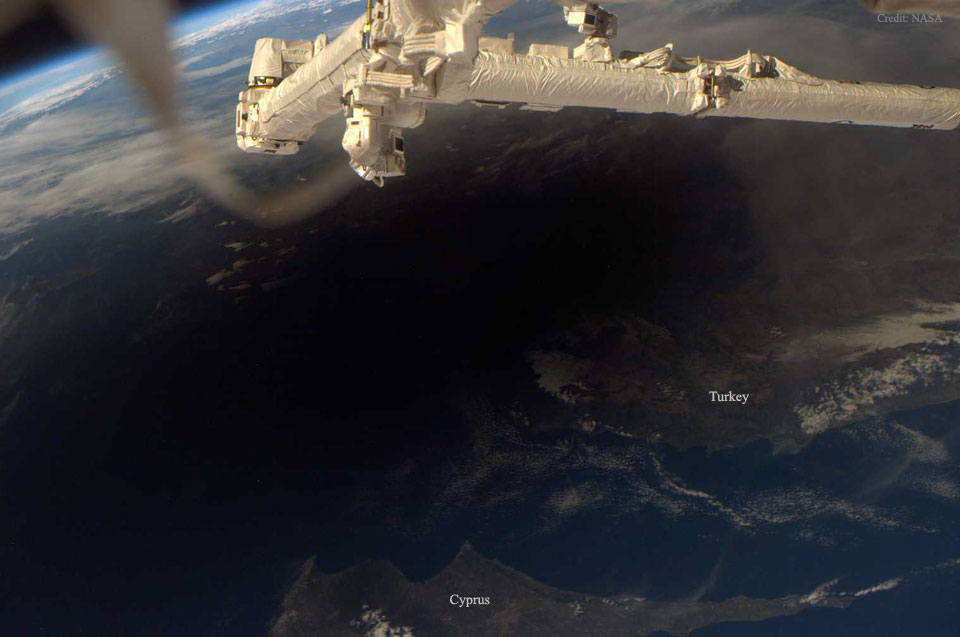
Earth During a Total Eclipse of the Sun: http://apod.nasa.gov/apod/ap150318.html


During a total solar eclipse, the moon's shadow creates a dark region on Earth. The shadow spot moves across Earth at nearly 2,000 km per hour, darkening the areas for only minutes at a time. This photo was taken during March 2006 from the International Space Station. This apod is perfect timing because today there will be a total solar eclipse! 

Friday, March 6, 2015

APOD 3.7

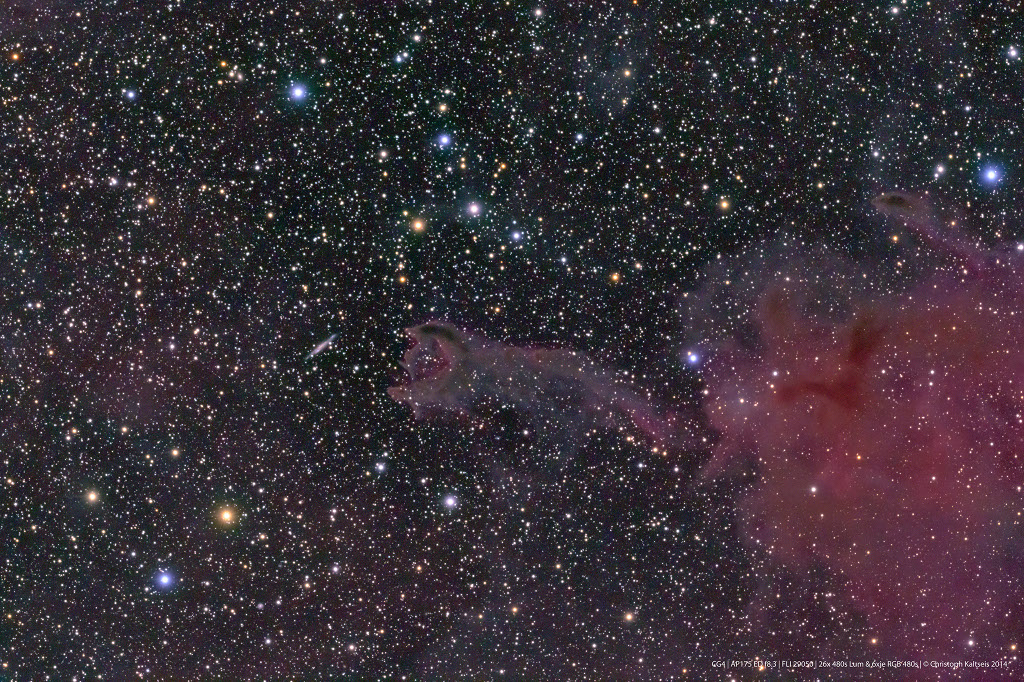
Cometary Globule CG4: http://apod.nasa.gov/apod/ap150306.html


Cometary globule CG4 is about 1300 light-years from Earth near the constellation Puppis. Its head is about 1.5 light-years in diameter and its tail is about 8 light-years long. The dusty cloud contains enough material to form several Sun-like stars. Its tail comes away from the Vela Supernova remnant near the center of the Gum Nebula.